Articles · March 21, 2026
Magic Doesn’t Have to Suck When You Grow Up

I got into Magic in 5th grade thanks to a big family where pretty much everyone played. We’d get boxes of bulk (mostly 100 copies of Holy Strength) to sift through, and every so often we’d splurge on new packs. This was right around 7th Edition — which explains why I still have about 50 foil Thorn Elementals sitting around. As we got older we started building actual decks and hitting prereleases.
My favorite prerelease will always be the original Ravnica block. My favorite deck? Mono-red dragons. There’s something beautiful about the simplicity of ramping into a Dragonstorm or firing up Zirilan of the Claw. I've read (and highly recommended) The Brothers' War by Jeff Grubb like 15 times. Favorite card I still own: the Urza’s Saga prerelease Lightning Dragon. Favorite set: Homelands (still waiting for Return to Ulgrotha).

As a self-hating millennial, my love language is sharing memes. A few years ago I went hunting for MTG memes and was shocked at how few there were, so I became the archaeologist; digging up every one I could find and eventually creating my own. I’ve posted over 200 originals so far. That’s why most people know me as @BDEgameowners on X.

But here’s what happened as we all grew up. Suddenly the hobby that once felt effortless turned into a logistics nightmare: time became our most precious commodity. Compounding that, it became nearly impossible to bring my adult friends with jobs and families into the hobby; I’ll never forget spending ten straight minutes trying to explain “Trample” to a normie buddy who was still figuring out what “block” even means.
This is my story. What would you do?

The Logistics That Kill the Fun
For a group of busy adults, time is the primary enemy. High-effort formats like cube or drafting are rewarding, but they often require a two-hour commitment for setup and play. Constructed formats like commander generally offer a very long game time as well. It’s particularly painful to waste even more time when the “mana screw” comes to spawn-kill your game through random chance.
Beyond the clock, the "financial arms race" of traditional Magic often feels like you need to "sell a kidney" just to afford a functional mana base in many formats, if you can keep up with the new product release schedule in the first place. The commodification of trading card games is resulting in rising prices on the secondary market. This creates a systemic power imbalance where the winner may be determined by their wallet rather than their tactics. Formats like pauper have risen to prevalence simply because the cost of Magic: The Gathering is rising faster than most want to keep up with it.

The New Player Gatekeeper
A topic that has become personal to me recently is the New Player Experience in Magic: the Gathering. The sheer depth and complexity of a 30-year-old game can understandably act as a natural gatekeeper.
Now, product and design decisions are turning that speed bump into a 10-foot brick wall. New players get slammed with “keyword soup” and cards that have more than five lines of text, resulting in working-memory overload and visual fatigue. The official Comprehensive Rules document has ballooned from 200 pages in 2013 to over 300 pages in 2026. Average word count per card keeps climbing, loaded with extra triggered abilities, tokens, counters, and tracking stuff like Ring-bearers, speed, and roles. It all compounds in eternal formats where the whole card pool is in play. Typical attempts to share the hobby with “pre-con” starters or “here, try my deck” usually flop. They can be either too boring to hold attention or (more often) way too complicated for a casual to pick up without constantly searching new words on their phone.
I would love to introduce my non-Magic friends to Magic: the Gathering. But how?
So What? The Four Taxes
So let’s take a critical look at the exact elements of Magic: The Gathering that create all this friction. We’ll call them the four Taxes:
The "Time Tax" (Temporal Friction)
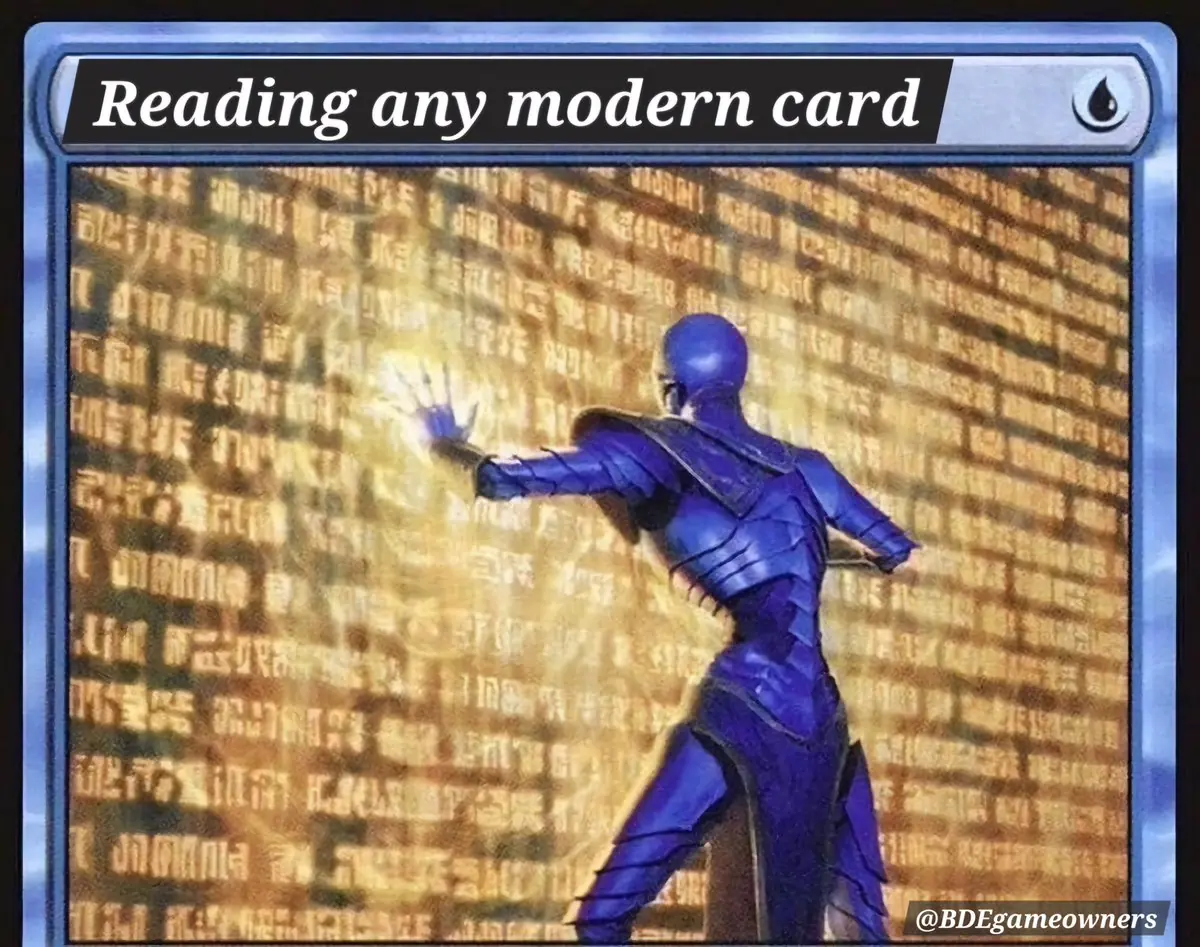
For working adults, time is the primary enemy. High-effort formats like Cube or Booster Draft require a two-hour commitment for setup and drafting followed by the actual gameplay. Constructed formats rely on linear resource progression, where players spend several turns playing lands to set up for later. In a world of declining attention spans (recent studies show people now switch focus every ~47 seconds on average), this slow start often causes players to "check out" before the high-impact plays begin.
For our purposes we want minimal setup and build-up time.

The "Mana Tax" (Resource Variance)
The mechanical heart of Magic is its resource system: lands and mana. In standard play, this creates two primary frustrations. Drawing too few or too many lands can ruin a player's chance at victory before they've even made a mistake. And since lands are paramount to victory, highly functioning mana bases require highly expensive cards. In fact, mana-generating cards tend to be among the most expensive Magic: the Gathering cards that you can find. Understandably, if two cards have the same function but one costs less mana, the aftermarket cost of the latter soars.
Let’s consider how to eliminate the challenge of mana.
The “Architect Tax” (Deckbuilding Complexity)
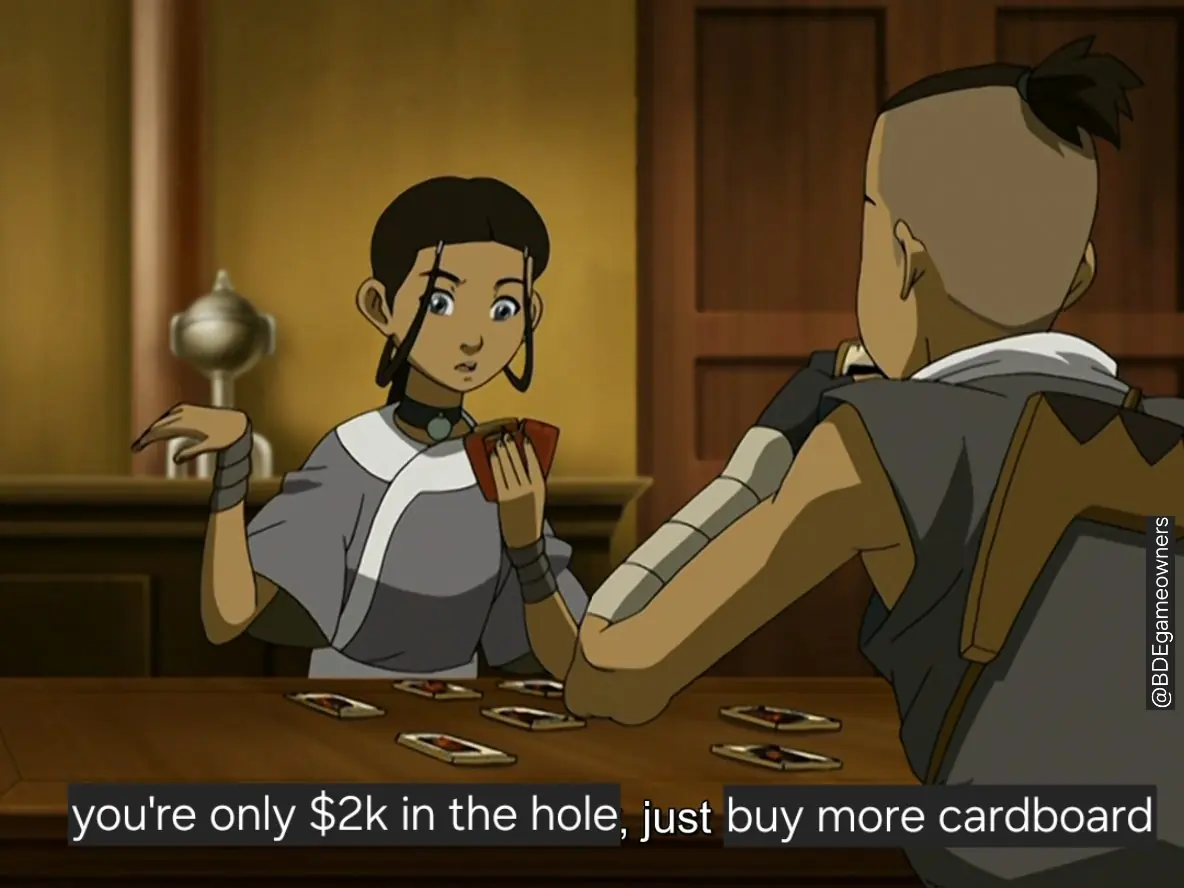
Never take a new player to a cube or draft, unless you want them to be discouraged and confused. While experienced players enjoy the challenges of crafting a new deck from a limited pool, this is simply too hard for the novice player. To a lesser degree, we set up new players for failure when we give them a deck that we have built or even a precon with a difficult strategy. We expect them to pilot the deck like they built it, and they certainly did not. In Constructed formats, we often forget how much the deck itself is a natural gatekeeper; novices often find the required motivation to learn this secondary skill too high.
Consider how to take the burden off players in having a coordinated strategy aligned to their specific stack of cards.
The “Brain Tax” (Rules Baggage)
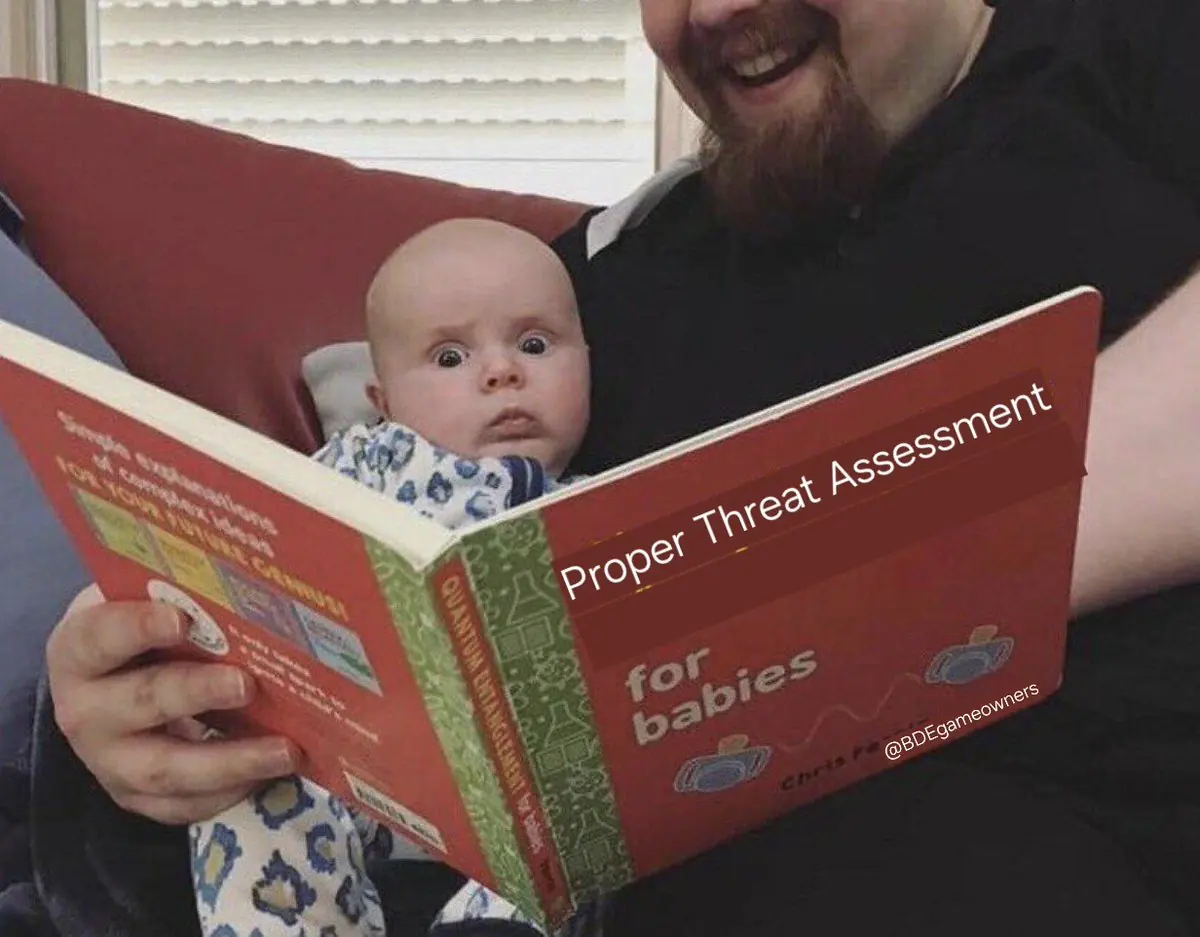
Magic is so complex that it is considered "Turing complete," meaning a winning strategy is mathematically non-computable. This complexity typically manifests as “keyword soup”; modern cards are often cluttered with "walls of text" and specialized keywords without reminder text. Card types also present an issue for new players, with types such as Planeswalkers, Battles, Dungeons, Planes, etc. Remember: even if you give the new player a simple deck, they need to study the keywords on every card played by every player in the game. Think of a player’s working memory like a small cup: if you pour in thirty years of rules baggage all at once, the cup overflows and nothing is processed effectively. This leads to a state of "fiddliness," where navigating the presentation of the game becomes more challenging than the game itself.
We should try and limit the number of different things that new players need to remember.
The Architecture of "Limited Infinity"
The cornerstone of Big Deck Encounter or the BDE format isn’t a brand-new idea — it’s a smart mash-up of two clever but mostly obscure concepts from Magic’s history.
The first is “Type 4,” also known as Limited Infinity. In a definitive StarCityGames article back in 2005, Carl Winter called it “A Way to Enjoy Magic Again.” The idea originated a few years earlier with Paul Mastriano. The concept is amazingly simple: infinite mana for everyone, but only one spell per turn. (To be clear, that means you can play one instant during every other player’s turn in addition to your own spell on your turn.) In the original expert-level version, players drafted from a massive shared pool of cards.
The second inspiration is an even older format called Dandȃn. Created in the mid-90s, Dandȃn is a two-player game where both people share one single deck and one shared graveyard. The shared-deck concept is a total game-changer — you no longer require each person to have their own set of cards. (It just got the official Secret Lair treatment through the Chaos Vault, which feels like perfect timing.)
For BDE we keep the infinite mana and the one-spell-per-turn limit from Type 4, but we borrow the setup simplicity of Dandȃn. We throw away the drafting step entirely and simply assemble one large shared deck (and a shared graveyard) for all players at the table. No separate decks, no sideboards, everyone draws from the exact same stack. This single change turns two old expert formats into the perfect antidote for both busy adults and total newcomers, directly eliminating the Time Tax, Mana Tax, Architect Tax, and a huge chunk of the Brain Tax we talked about earlier. Games start instantly, cost nothing extra, require zero deckbuilding, and can remain simple enough for anyone to follow.

The Rules That Stay Normal
Beyond those two oddities (infinite mana, shared deck & graveyard, one spell per turn), a game of BDE starts just like any other: 20 life, 7-card hands, and normal turn structure. You still draw a card at the beginning of your turn, you still attack and block the usual way, and the goal is still to get your opponent to zero life.
Building a Big Deck
To move Magic from a logistics nightmare to a fast-paced game, the BDE format shifts the burden of balance from the player to the curator. By removing the "Architect Tax," players are no longer forced into the deckbuilding driver’s seat before they understand the game. Instead, they share a single, curated library of 150 to 250 unique cards. Or more, if you really enjoy shuffling.
The Four NOs of Curation
To keep infinite mana from turning into total chaos or non-interactive snoozefests, every Big Deck follows The Four NOs.
No Duplicates: One copy of each card only. Keeps every draw fresh and stops the pile from feeling “solved.”
No Search: Tutors, fetch lands, “search your library” effects are all banned. Nobody wants to watch someone rifle through 200 cards while the rest of us wait.
No X Spells: Fireball and anything with an X in the cost or effect? Nope. Infinite mana would let someone name 1,000 damage and end the game with zero interaction.
No Infinity: Nothing that loops damage, life, draws, or turns forever. We want big splashy turns, not 45-minute solitaire.
You might be wondering why one of the NOs is not “No Lands.” It’s a fair question! The truth is, while basic lands become pointless, there are plenty of lands worth playing for their non-mana abilities: things like enters-the-battlefield effects, utility, or other quirky effects. We keep the door wide open for those so you can still get creative and splashy without turning the game into a total mess.
Optional Quality-of-Life Curation
Beyond the Four NOs, there are several rules you may adopt to reduce the cognitive load of the players, especially if new players will be involved. If you want to build a Big Deck with the full complexity to play with Magic experts only, go right on ahead and ignore the below.
The 5-Line Rule: To prevent visual fatigue and "working memory overflow," consider omitting any card with more than five lines of rules text.
Prevent Keyword Soup: Omit cards with complex keywords unless the rules for that keyword are explicitly written as reminder text on the card. This is key for new players.
Limit Permanent Types: Stick to Creatures, Artifacts, Enchantments, Sorceries, and Instants. More exotic types like Planeswalkers or Battles often add unnecessary "rules baggage" for a casual night.
Don't Be Hasty: In this format, creatures that can attack the turn they are played (Haste) are often overpowered, as they bypass the social interaction of the table. Be careful if you are considering including them.
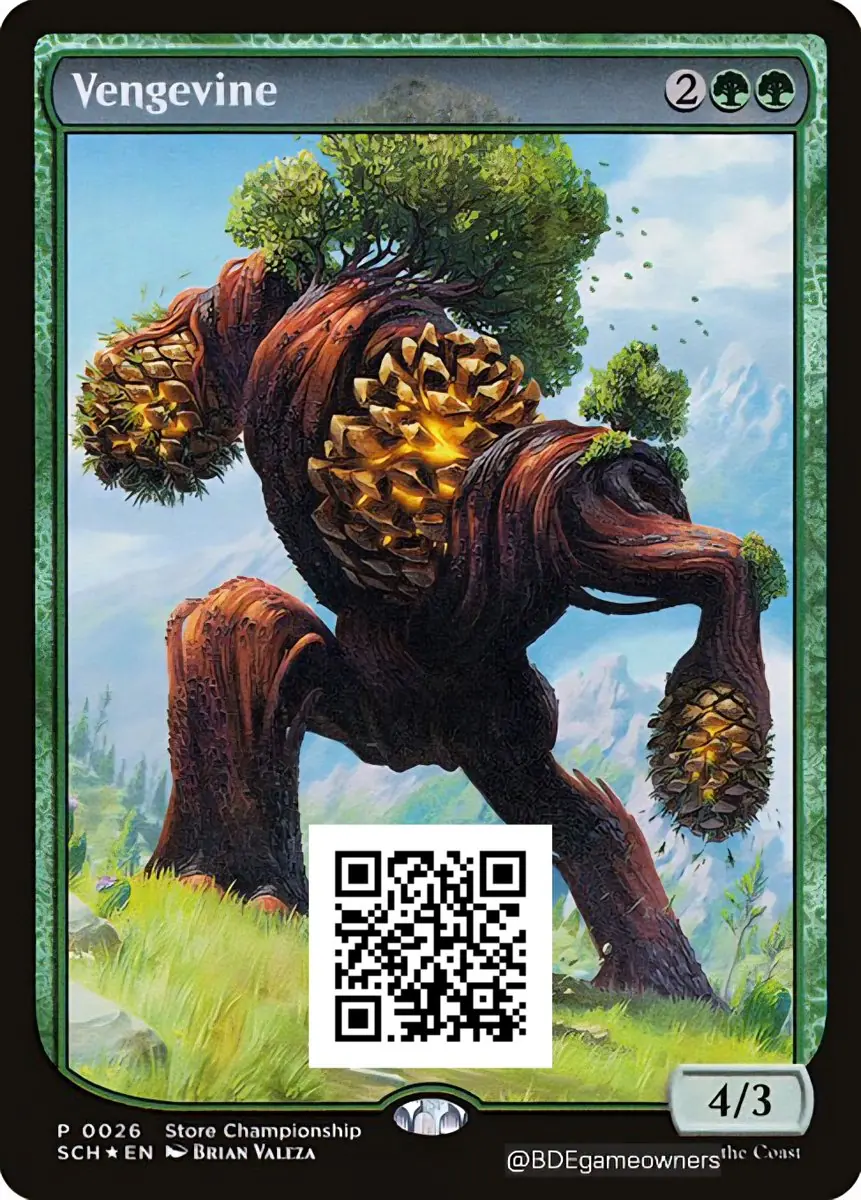
What a Typical BDE Game Actually Looks Like
You sit down, shuffle the one shared deck, draw seven cards. No lands in sight, everyone has infinite mana. Player 1 opens with Nekusar, the Mindrazer, punishing extra draws. Player 2 follows up with Mindslicer, setting up to shut down hands on death. Player 3 draws their extra card from Nekusar at the start of their turn, then lays down an Angel of Despair to blow up Nekusar, but Player 1 responds with a Discombobulate to counter it. Player 2, agreeing that Nekusar has to go, counters the Discombobulate with a Dissolve. Player 4 sneaks in a Live or Die at the end of Player 3's turn, stealing Nekusar to their side just in time to snag the extra draw at the start of their own turn.
Every turn can feel like the climax of a "normal" game. Games last 30–45 minutes, everyone gets to cast the ridiculous bombs they love, and the shared deck means the next game is totally different. No one ever groans about mana screw or “I didn’t draw my combo piece.” Just big, dumb, exciting Magic.
BDE: Radical Inclusivity & Accessibility
With the Big Deck built, the Four NOs locked in, and those optional quality-of-life rules in place if you need them, BDE stops feeling like just another clever format. It becomes a real shot at getting the joy back that hooked us all as teenagers. It takes every single barrier we talked about at the start (the four Taxes that turned Magic from our weekly ritual into a total logistics nightmare) and actually knocks them down. Suddenly the game feels welcoming again for busy adults and total newcomers alike.
Reclaiming Your Time
The Time Tax? Gone the second you sit down. No drafting, no building your own deck, no half-hour of setup while everyone scrolls their phone. Shuffle the shared pile, draw seven, and the first big spell is on the table turn one. Infinite mana plus the one-spell-per-turn rule means you skip the boring ramp and go straight to giant creatures and real decisions instead of everyone just passing while they play lands.
The Financial Equalizer
The Mana Tax and that whole wallet-war nightmare disappear completely. No more chasing pricey dual lands just to stay competitive. Everyone draws from the exact same pile, so both your old friends who can’t afford the new set and your normie buddies who’ve never owned anything beyond a starter deck have the same shot at winning as the guy with the full collection. And as it turns out, when you have infinite mana, the cards are just cheaper: Contradict is better than Force of Will. Need more examples? How about Harmonize versus Ancestral Recall, Bond of Revival versus Shallow Grave, or Worldspine Worm versus Phyrexian Dreadnought.
The New Player Experience Boost
And those Architect and Brain Taxes that made bringing normal people into the hobby feel impossible? They get dismantled at the root. In under ten minutes you can teach a total beginner the Big goal (get them to zero life), the Medium stuff (shared deck + graveyard), and the Small actions (cast one spell, attack, pass). Add the 5-Line Rule and keyword limits and suddenly they’re not drowning in walls of text; they’re laughing and asking for a second game instead of Googling “Trample.”
One Important Caveat
Look, I’m not here to claim BDE is the only way to play Magic or that the rest of the game should pack it in. That would miss the whole point.

This new format is simply a tool (I’d argue a really good one) for the exact situation we’ve been talking about: busy adults with barely 45 minutes to spare, parents who can’t swing a full Commander night, and those normie friends who still get stuck on what “block” even means. For my group right now, it’s the thing that actually gets us back to the table.
But the classic formats? They’re still the heart and soul of Magic. Draft keeps the social spark alive and the sets feeling fresh. Standard gave us that living metagame that pushes Wizards to keep creating. Commander is the beautiful, ridiculous playground where thirty years of cards smash together in ways no one saw coming. Cube and Vintage let the deep thinkers go as far as they want. Those formats are what drive new design, keep game stores alive, support the secondary market, and give thousands of players the complex, rewarding challenge they love. Without them, Magic would stop growing.
So build your Big Deck. Play it a ton. Get new players hooked on it. Just don’t forget to keep one foot in the rest of Magic too. The game is big enough for all of it, and honestly, that’s what makes it so special.
Originally published on X.